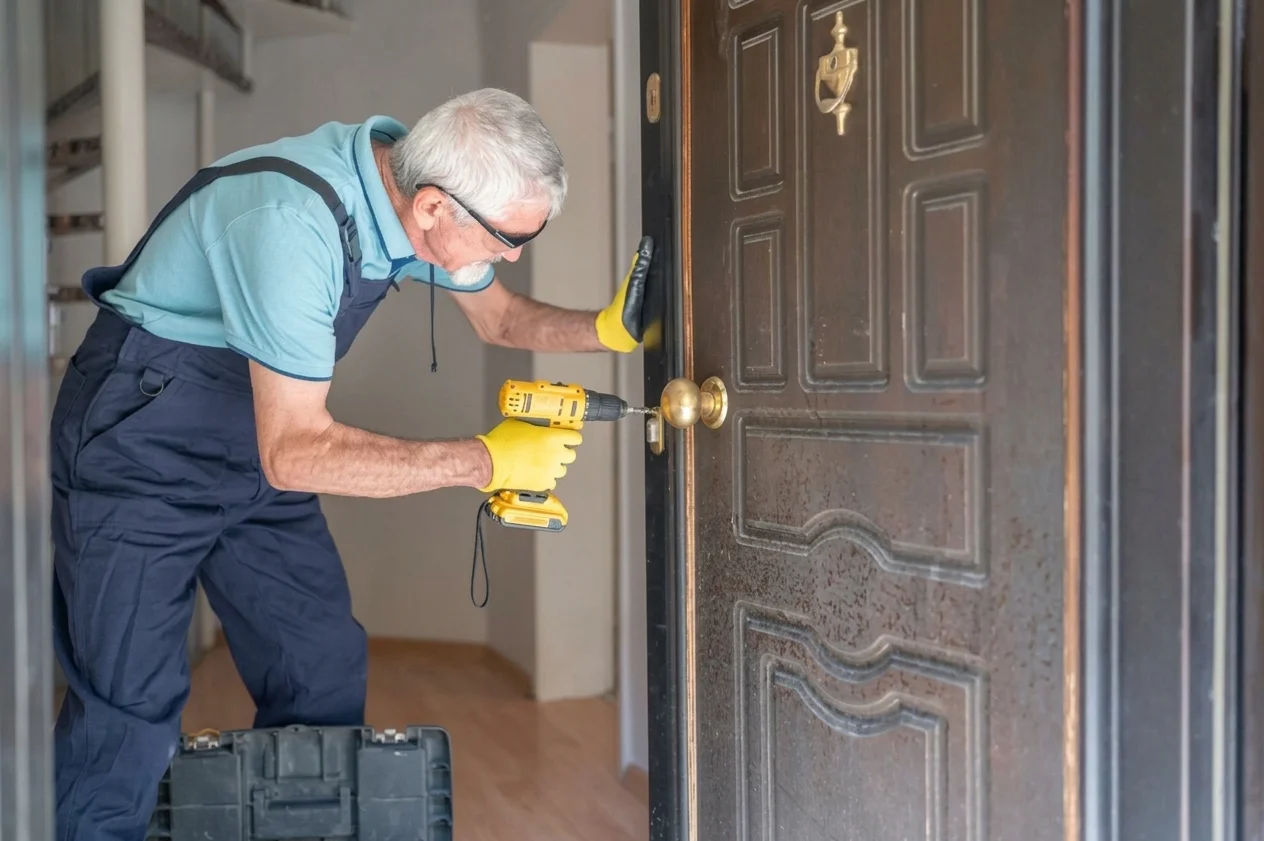
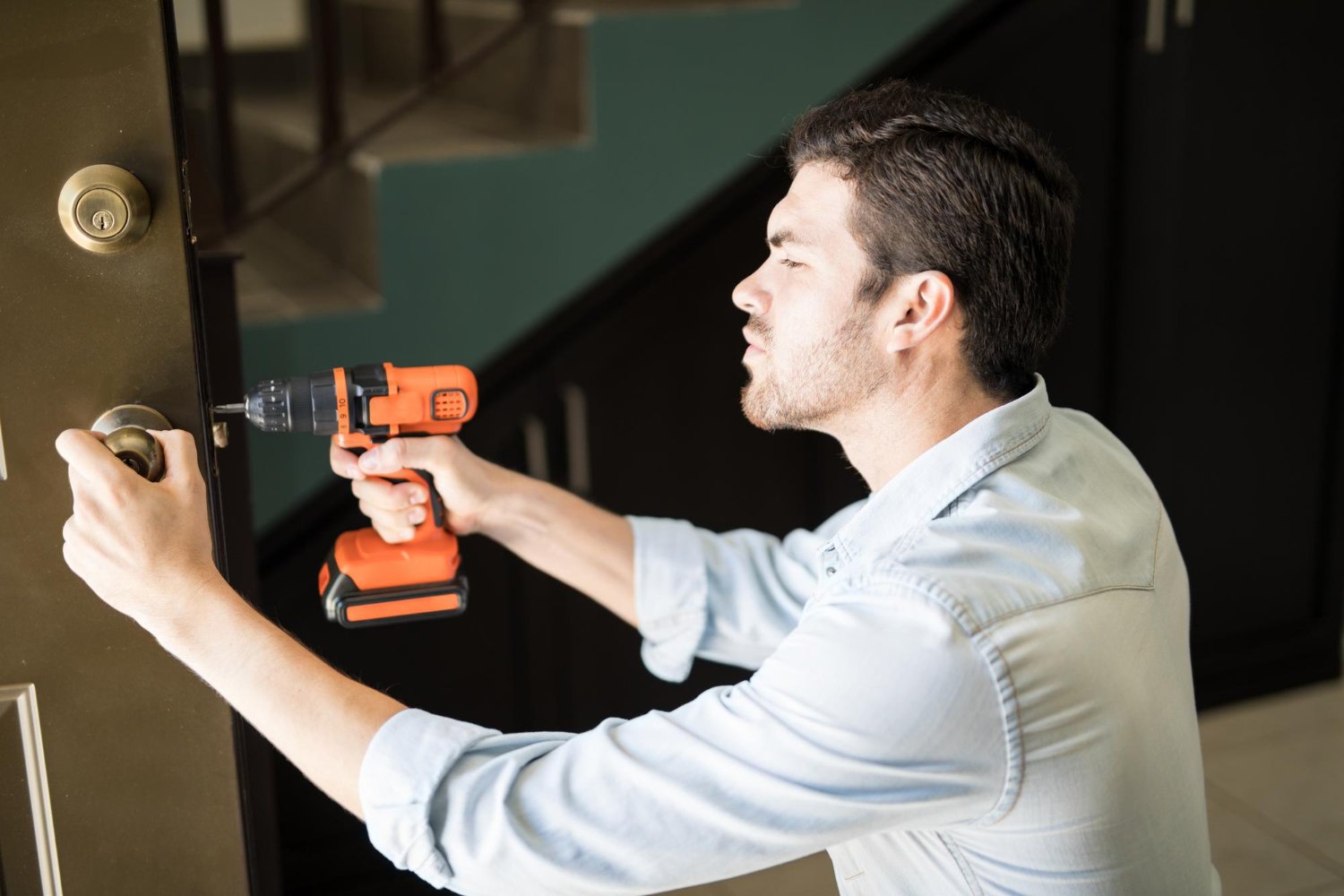
Is your front door hard to lock, loose in the handle, or stuck half open? A worn lock is one of the most common problems with uPVC doors, and in many cases you can fix it yourself with a screwdriver and a tape measure.
This guide shows you how to replace a uPVC door lock safely. We explain which part you need to change, how to measure it, and when it is smarter to call a professional. Lock and Protect has helped homes and businesses across North West London with front door lock replacement, so we know the problems that come up most.
How Do You Replace a uPVC Door Lock?
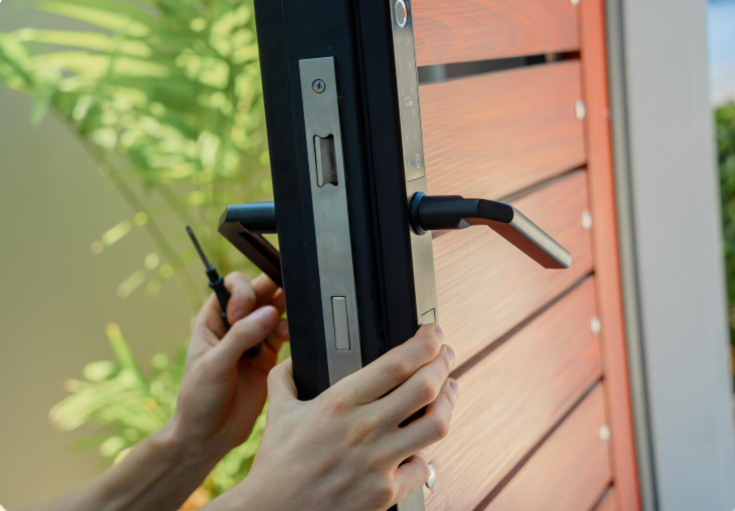
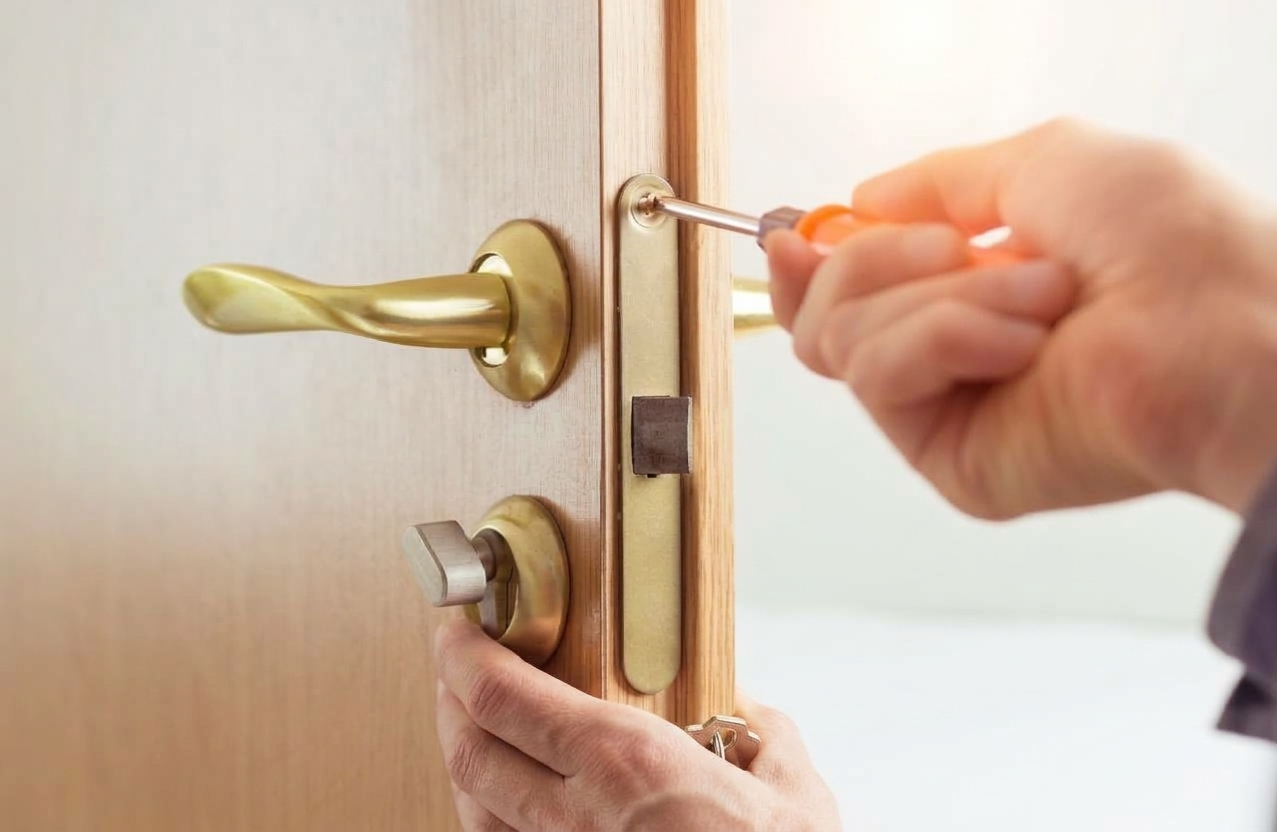
To replace a uPVC door lock, first decide if the fault is in the cylinder (the part your key goes into) or in the lock mechanism inside the door. For a cylinder, open the door, undo the one screw on the door edge, turn the key slightly, pull the old cylinder out and fit a new one of the same size. For the mechanism, remove the handles and the faceplate screws, slide out the old gearbox and fit a matching one.
Most cylinder changes take about 15 to 30 minutes. A full mechanism change usually takes longer and is trickier to get right.
Signs Your uPVC Door Lock Needs Replacing
You do not need to wait for a lock to fail completely. Look out for these warning signs:
- The key is stiff, sticks or needs jiggling to turn
- The key turns but the door will not lock or unlock
- The handle feels loose, floppy or does not spring back
- You have to lift the handle hard to lock the door
- The door has been forced open or there has been a break in attempt
- Your keys have been lost or stolen
- The lock is old and does not have anti snap protection
If the door will not open at all, do not force it. Call an emergency locksmith so the door and frame are not damaged.
Cylinder or Mechanism? Know Which Part to Replace
A uPVC door lock has two main parts. Knowing which one has failed saves time and money.
The lock cylinder
This is the small barrel where your key goes in. If the key is stiff, worn, snapped or lost, you probably only need lock cylinder replacement. It is the simpler and cheaper job.
The lock mechanism
This is the long metal box inside the door, often called the gearbox or multipoint lock. It moves the hooks, bolts and rollers that hold the door shut. If the handle is loose, the door will not lock even though the key turns, or the bolts do not move, you may need to change the uPVC door lock mechanism. You can read more about this on our multipoint lock repair page.
What You Need Before You Start
- A Phillips or cross head screwdriver
- A tape measure or ruler (in millimetres)
- A replacement cylinder or mechanism that matches your old one
- Your old keys
- A torch, if the light is poor
Keep the door open the whole time, and do not close it until the new lock has been tested. This stops you locking yourself out.
How to Replace a Lock Cylinder on a uPVC Door
This is the most common way to replace a lock on a uPVC door. Follow these steps in order.
Step 1: Open the door fully
Open the door and keep it open. Never test a new cylinder with the door closed.
Step 2: Undo the retaining screw
Look at the edge of the door, level with the keyhole. You will see one screw in the metal faceplate. Unscrew it and take it out. You do not need to remove anything else.
Step 3: Turn the key and pull the cylinder out
Put the key in and turn it about 45 degrees. This lines up the cam inside the cylinder so it can slide free. Gently pull the cylinder out. If it sticks, wiggle the key slightly while you pull. Some older cylinders are held tightly, so be patient and do not force it.
Step 4: Measure the old cylinder
Measure the cylinder from the middle of the screw hole to each end, one side at a time. Write down both numbers in millimetres, for example 40 and 40. Cylinder sizes usually go up in 5mm steps. The outside length, the part facing the street, should sit almost flush with the handle plate. A cylinder that sticks out too far is easier for a burglar to attack.
Step 5: Choose your new cylinder
Buy a cylinder with the same measurements. For better security, choose an anti snap cylinder. Look for one rated 3 star under the TS 007 standard. Many home insurers ask for this level of protection, so check your policy.
Step 6: Fit the new cylinder
Turn the key to the same 45 degree position. Slide the new cylinder into the door until the screw hole lines up. Refit the retaining screw and tighten it firmly, but do not overtighten.
Step 7: Test before you close the door
With the door still open, turn the key fully both ways. Check that the bolt and hooks move smoothly. Lift the handle and test again. Only close the door once everything works.
How to Change a uPVC Door Lock Mechanism
Changing the whole mechanism is harder than changing a cylinder. If you are not confident, it is worth getting help. If you want to try, here is how it works.
Step 1: Remove the cylinder
Follow the cylinder steps above and take the old cylinder out first.
Step 2: Remove the handles
Undo the screws holding the handles on both sides. Pull the handles away and remove the square spindle from the middle.
Step 3: Undo the faceplate screws
On the edge of the door, unscrew the long faceplate and the smaller strips above and below it. Keep the screws together so you do not lose any.
Step 4: Slide the old mechanism out
Pull the mechanism out carefully. You may need to ease it with a flat screwdriver. Take a photo of how it sits before you remove it fully.
Step 5: Match the new mechanism
This is where most mistakes happen. Replacement uPVC door locks must match the old one on these points:
- The backset, which is the distance from the edge of the faceplate to the middle of the handle spindle (often 35mm or 45mm)
- The distance between the cylinder hole and the handle spindle (92mm is the most common)
- The size of the handle spindle
- The length and width of the faceplate
- The number and type of locking points, such as hooks, rollers and bolts
The safest way is to take the old mechanism to a supplier, or send us a clear photo so we can help you find a match.
Step 6: Fit and test
Slide the new mechanism in, refit the faceplate screws, then the spindle, handles and cylinder. Test with the door open. Check that the hooks and bolts move into the right position and line up with the keeps on the frame.
Choosing the Right Replacement uPVC Door Locks
Not every lock gives the same level of protection. When you buy replacement door locks for uPVC doors, think about these points:
- Anti snap protection. Snapping the cylinder is a common way burglars get through uPVC doors. A 3 star TS 007 cylinder is built to resist it.
- Key control. Some cylinders use keys that cannot be copied easily without permission.
- Correct size. A wrong size can leave part of the cylinder sticking out or make the lock hard to use.
- Quality brand. A cheap lock can wear out fast and may not satisfy yhow to replace upvc door lockour insurer.
- Door condition. A new lock will not fix a door that has dropped or a frame that no longer lines up.
If you are also thinking about better security, take a look at our home security upgrades.
Common Mistakes to Avoid
- Closing the door before testing the new lock
- Measuring from the wrong point on the cylinder
- Forcing the cylinder out instead of turning the key to release it
- Buying a mechanism that does not match the old backset or spindle size
- Overtightening the screw, which can jam the lock
- Ignoring a door that has dropped, which makes any new lock hard to turn
When to Call a Locksmith
DIY is fine for a simple cylinder swap. But call a professional locksmith if:
- You are locked out, or the door will not open
- The key has snapped inside the lock
- The mechanism needs changing and you cannot match it
- The lock was damaged in a break in
- The door is sticking, dropped or hard to close
- You want to be sure the new lock gives proper security
Our team can help with uPVC door lock repair and replacement the same day. Every engineer is DBS checked and fully insured, and we agree a fixed price before work starts, with no call out fee. Work is covered by a 12 month guarantee, and most visits in North West London are reached within 30 to 45 minutes. If you are locked out right now, call our emergency locksmith line.
Locksmith Cover Across North West London
Lock and Protect covers Cricklewood, Childs Hill, Willesden, Kilburn, Queens Park, Kensal Green and Kensal Rise, Maida Vale, Hendon and Brent Cross. See all areas we cover.
Frequently Asked Questions
How do I replace a uPVC door lock?
First work out whether the cylinder or the mechanism has failed. To change a cylinder, open the door, undo the screw on the door edge, turn the key slightly and pull the cylinder out. Measure it, then fit a new one of the same size and test it with the door open. To change the mechanism, remove the handles and faceplate screws and fit a matching gearbox.
How much does it cost to replace a uPVC door lock?
The price depends on the type of lock, the parts needed and the time of day. A cylinder is usually cheaper than a full mechanism. At Lock and Protect, we agree a fixed price with you before we start, so there are no surprises.
How long does it take to change a uPVC door lock?
A cylinder change usually takes about 15 to 30 minutes. Replacing the whole mechanism can take longer, especially if the door is out of line or the parts need matching.
Can I change a uPVC door lock myself?
Yes, many people can change a cylinder with a screwdriver and a tape measure. Changing the full mechanism is harder, because the new one must match the old in several ways. If you are unsure, a locksmith can do it quickly and check the door at the same time.
How do I know what size cylinder I need?
Open the door, remove the retaining screw and take the cylinder out. Measure from the middle of the screw hole to each end, in millimetres. Buy a cylinder with the same two measurements.
What is the difference between a cylinder and a lock mechanism?
The cylinder is the part your key goes into. The mechanism is the box inside the door that moves the bolts and hooks. A stiff or lost key usually means a cylinder change. A loose handle or a door that will not lock usually points to the mechanism.
Do I need an anti snap lock on my uPVC door?
An anti snap cylinder is strongly recommended. Burglars often target standard cylinders on uPVC doors, and many insurers prefer or require a 3 star TS 007 rated cylinder. Check your policy for its exact wording.
Should I replace the lock after losing my keys?
Yes. If your keys are lost or stolen, change the cylinder as soon as you can, because someone else may have a working key. We can open the door and change the lock on the same visit.
Need Help With a uPVC Door Lock?
Whether you need a simple cylinder swap or a full front door lock replacement, Lock and Protect is ready to help across North West London, 24 hours a day.
Call 07940 131736 or message us on WhatsApp for fast, friendly help and a fixed price before we start.